EXHIBITIONS | LECTURES | WORKSHOPS | COURSES | EVENTS | FAIRS | SCREENINGS
Design Teaching: ECV Lille, MA Culture et Parcours Graphique course, Tomi Vollauschek, co-founder and Creative Director at FL@33 and Stereohype – re-appointed to be Visiting Lecturer [intervenant] at ECV Lille – École de Création Visuelle – teaching Tomi's specially developed syllabus Grid Adventures: Design Beyond Bounderies – the remote Culture Graphique et Parcours Graphique course across a 6-month-period for Master 2 / year 5 Graphic Design and Art Direction 360 students at ECV Lille, France. 20 October 2025 – 2 March 2026

MA CULTURE GRAPHIQUE ET PARCOURS GRAPHIQUE COURSE
It is an honour that after almost a decade of working with ECV France as an external educator, speaker and designer in residence – running Masterclass workshops, giving talks and being involved in occasional Diploma Graduation Jury duty, ECV France re-appointed FL@33's Tomi Vollauschek to be visiting lecturer [intervenant] at ECV Lille – École de Création Visuelle – this time teaching the remote Culture Graphique course.
___ The syllabus Culture Graphique – Grid Adventures: Design Beyond Boundaries as shown below is now firmly established but naturally developed and extended further throughout the course – in scope and depth – and so was the reading list.
The Culture Graphique module Grid Adventures: Design Beyond Bounderies was developed and fine-tuned by Tomi Vollauschek with complete trust and freedom by ECV.
CLICK FOR MORE INFO | SYLLABUS
MA CULTURE GRAPHIQUE COURSE ET PARCOURS GRAPHIQUE COURSE | SYLLABUS
Tomi Vollauschek (FL@33 / Stereohype) | Design Teaching: MA Culture Graphique course
ECV Lille – Year 5 / Master 2 / M2 Des-DA 360
CULTURE GRAPHIQUE | Mastère 2 M2 Des-DA 360 — Graphic Design and Art Direction
(11 students)
Monday 8–10am,
20 October 2025 – 2 March 2026
COURSE INTRODUCTION | GRID ADVENTURES: DESIGN BEYOND BOUNDARIES
The word Grid in design might sound boring and rigid to some, but in this course I will demonstrate why the opposite is the case. The theme of Grids may just be an excuse for this particular journey through Culture Graphique. However, in this playful course – full of historic and pop culture references, anecdotes, examples, videos and exercises – we will examine how the understanding of grids enables a deeper understanding and practice of design. While learning a lot, this will make the students' design process easier and their design results better.
___ Grids have been a cornerstone of visual composition for centuries, evolving from ancient mathematical principles like the golden ratio to modern digital frameworks. The Bauhaus movement and Swiss Style, particularly Josef Müller-Brockmann's work, solidified the grid's importance in graphic design. Grids extend beyond layout and micro-typography to letterforms and type design, as seen in Paul Renner's Futura typeface. While providing structure, grids are not restrictive, allowing for creative flexibility across various design disciplines.
___ The punk aesthetic and later designers like David Carson challenged traditional grid use, demonstrating the power of breaking rules. In the digital age, grids have adapted to responsive web design, flexible visual identity systems and user interface needs. Modern approaches like modular grids and the 8-point system offer even more precision and flexibility. Understanding grid systems is crucial for designers, but knowing when to deviate from them is equally important. Grids remain a fundamental tool in graphic design, providing a framework for creativity while ensuring visual harmony across different media and eras.
A QUOTE
"Don't let yourself be governed by the grid, govern the grid." | « Ne te laisse pas contrôler par la grille, contrôle la grille » — Massimo Vignelli, Italian Designer 1931–2014
MOVIE CLIPS
Speaking of grids and composition (for those who haven't seen it yet – or those who enjoyed it…).
Spoiler alert!
The Fabelmans (Les Fabelman au Québec, 2022) Movie Scene
___ Sammy (aka Steven Spielberg) meets John Ford (played by David Lynch):
YouTube clip 1 (4:30 min)
+ end sequence following this encounter:
YouTube clip 2 (25 sec)
CLICK FOR MORE INFO | DAY 1–8 OVERVIEW
Culture Graphique – Grid Adventures: Design Beyond Boundaries
Structured 8-day course plan | Course Sessions Overview (2 hours per session):
DAY 1 | Session 1 → Introduction to Grids
___ Course overview and group introductions.
___ Illustrated lecture: golden ratio, ancient to modern grids, Bauhaus and Swiss Style influence.
___ Exercise brief for completion before Session 2:
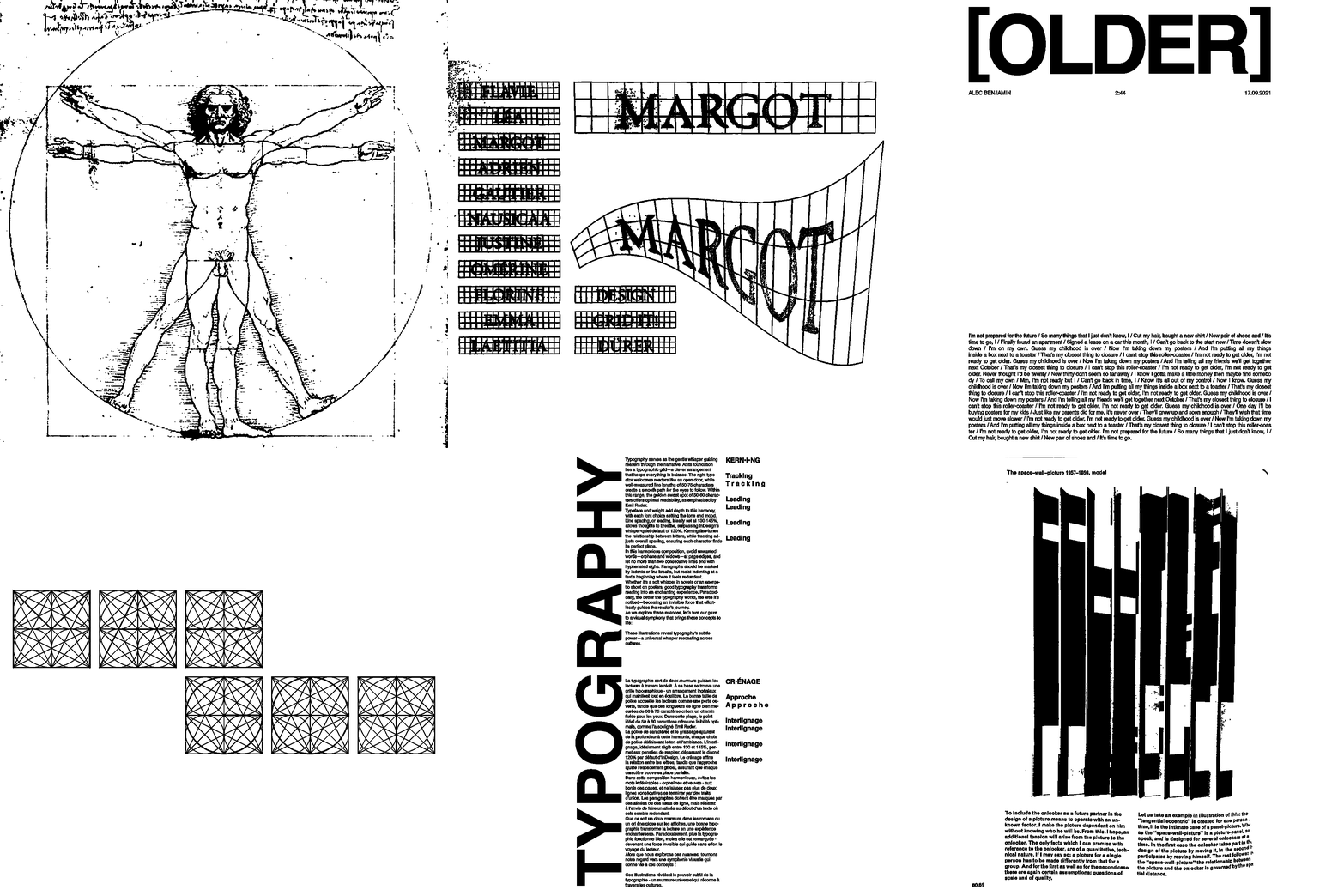
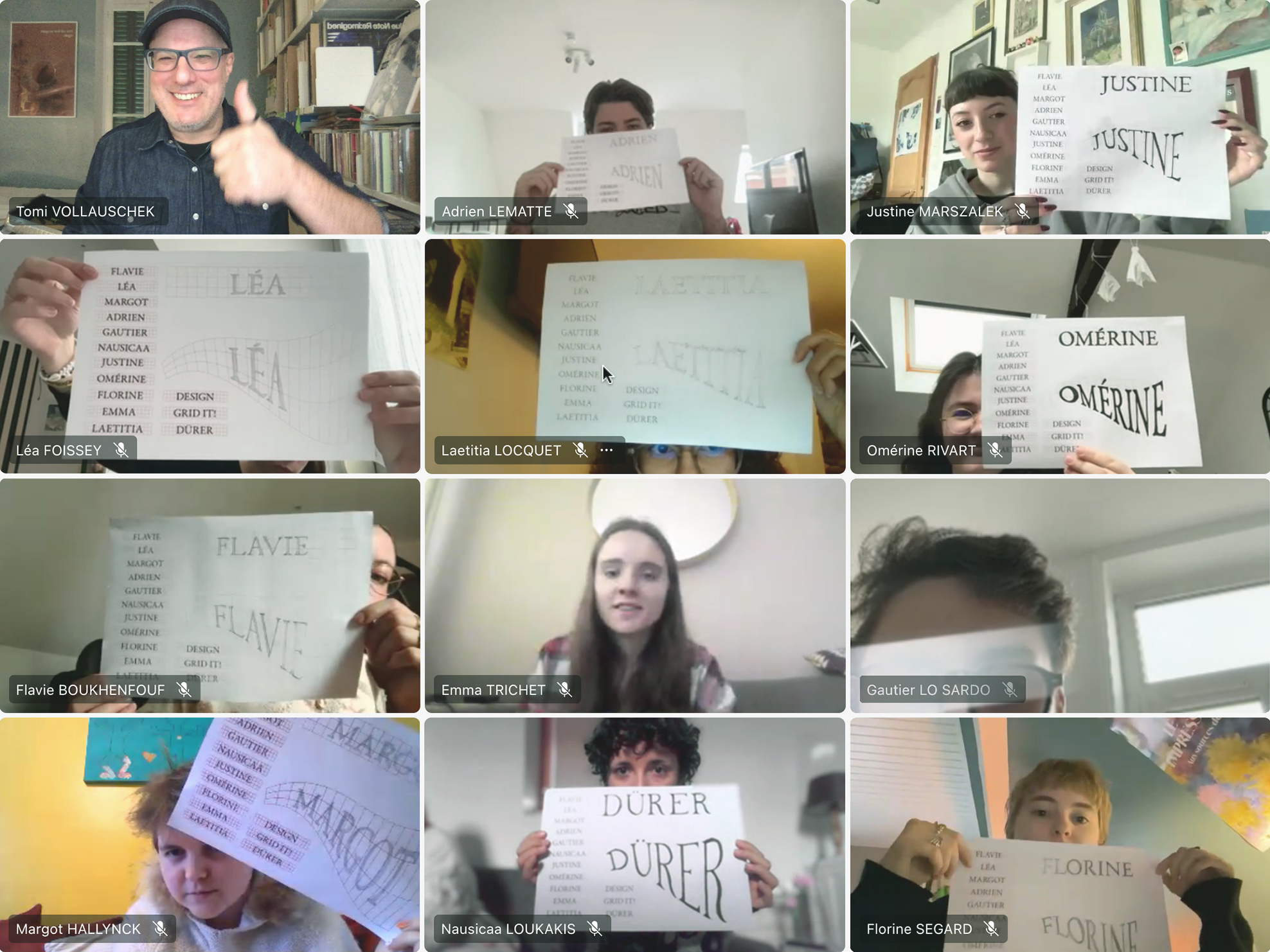
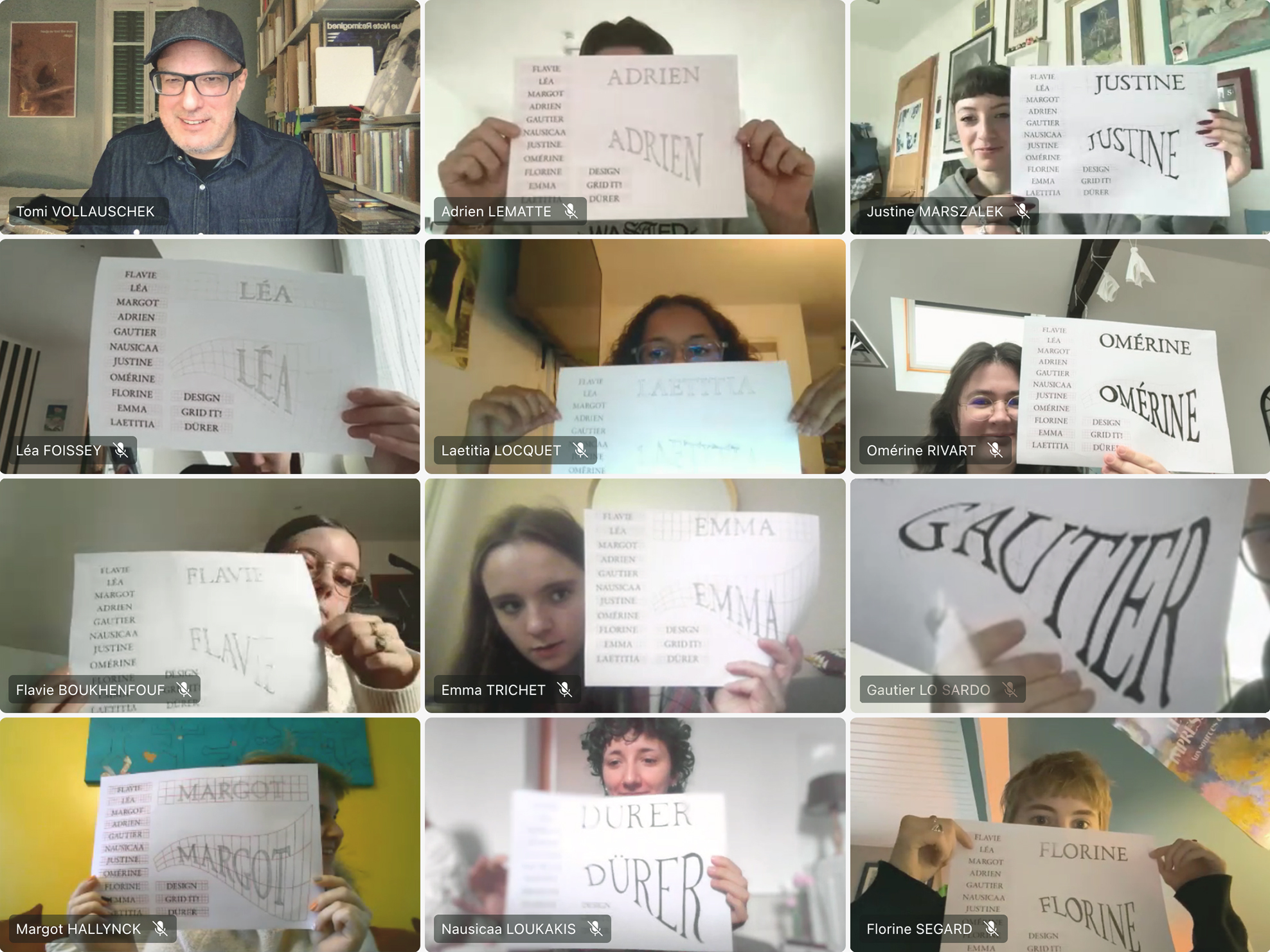
Dürer: Replicate a serif typeface word or your name on a small grid and transfer to a larger grid and a distorted grid by hand using pencil. PDF exercise sheet provided.
Sessions 2 to 8 → Weekly structure
Each session consists of:
Student presentations and group critique (30–45 minutes)
___ Students present their recent work focusing on brief, process, visual outcomes and reflections.
___ Group feedback addressing design clarity, grid use and creative growth.
Thematic presentation and visual examples (45–55 minutes)
___ Focused lecture covering historical/theoretical aspects, case studies and relevant contextual materials.
Exercise briefing for next session (20–30 minutes)
___ Clear description of next exercise with goals, deliverables and Q&A.
Day 2 | Session 2 → Bauhaus, Ulm and Swiss Style
___ Lecture on Bauhaus principles, Josef Müller-Brockmann, and the 12-column grid.
___ Exercise brief preview (details to follow):
Create 3 typographic mini posters (A4 portrait, InDesign/Illustrator) inspired by Swiss Style. Use an invisible grid of your choice (e.g., Fibonacci or 12-column). Use lyrics from a favourite song plus song info. Use Helvetica in no more than two sizes and weights. No added graphics or lines.
Day 3 | Session 3 → Typography and Grids: Modular Typeface Skeleton
___ Lecture on Paul Rennerʼs Futura, grid-based letterforms and typographic composition.
___ Exercise brief preview (details to follow):
Design and draw a modular outline typeface skeleton on a strict grid, focusing on stroke thickness variation before adding colour and layering.
Day 4 | Session 4 → Colour and Layers in Modular Typography
___ Exploring layering, patterns and colour application within grid-based letterforms, referencing MuirMcNeil examples.
___ Exercise brief preview (details to follow):
Add colour and layered details to previous modular type designs, experimenting with illustrative and pattern overlays. Then create a photographic (smoke/ink/etc) combination of a bold type and photo fragments at the edge of legibility.
Day 5 | Session 5 → Grids in Different Media / Microtypography
___ Lecture on architectural grids, film and motion graphic grids, and cross-media visual communications.
___ Exercise brief preview (details to follow):
Create first of three different typographic A1 posters using consistent grid systems. Microtypography type setting exercise 250 words of 'ideal reading' using supplied English and French texts. No added graphics or lines.
Day 6 | Session 6 → Breaking the Grid I: Punk Aesthetics
___ Lecture on punk design, David Carson and intentional grid disruption.
___ Exercise brief preview (details to follow):
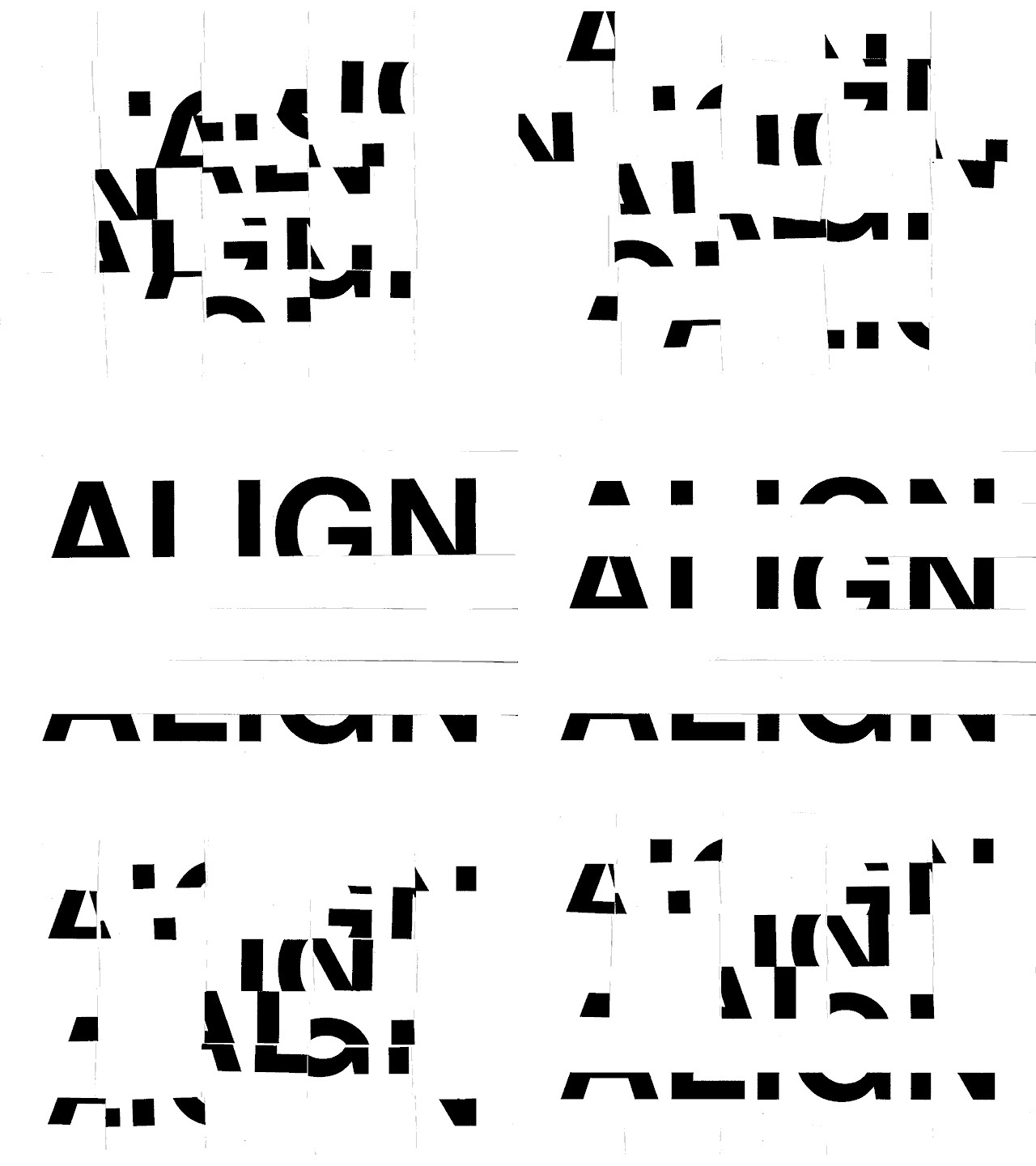
Create typographic A1 posters 2 and 3 of 3 using consistent grid systems. Using 'ideal reading' poster but destroy legibility. Play, stretch, tear and destroy the poster in a grunge / punk spirit – then – for poster three combine poster 1 and 2 to create poster 3. B&W only. Textures to add a handmade touch are allowed. No added graphics or photos.
Day 7 | Session 7 → Breaking the Grid II: AI and Creative Coding / Animation
___ Exploration of digital expressive techniques, AI-generated art and creative coding in grid design.
___ Exercise brief preview (details to follow):
Play with distorting or deliberately breaking grid rules in typographic layouts. Extend grid break experiments through digital manipulation or algorithmic methods. Animated grid-based type experiments – unlocking once more the potential of logo families and/or flexible modular identity systems.
Day 8 | Session 8 → Modern Grids and Responsive Design
___ Lecture on responsive web grids, the 8-point system and flexible visual identities.
___ Final presentation, group critique and reflection on learning outcomes.
___ Discussion on when to follow and when to break grid rules.
PARTICIPATING STUDENTS
Master 2 – Graphic Design & Art Direction 360 | Adrien Lematte, Emma Trichet, Flavie Boukhenfouf, Florine Segard, Gautier Lo Sardo, Justine Marszalek, Laetitia Locquet, Léa Foissey, Margot Hallynck, Nausicaa Loukakis and Omérine Rivart.
CLICK FOR MORE INFO | READING LIST
(in addition to course-internal add-ons)
Tomi Vollauschek (FL@33 / Stereohype) | Design Teaching: MA Culture Graphique course
ECV Lille – Year 5 / Master 2 / M2 Des-DA 360
ESSENTIALS: Graphic Design / Typography
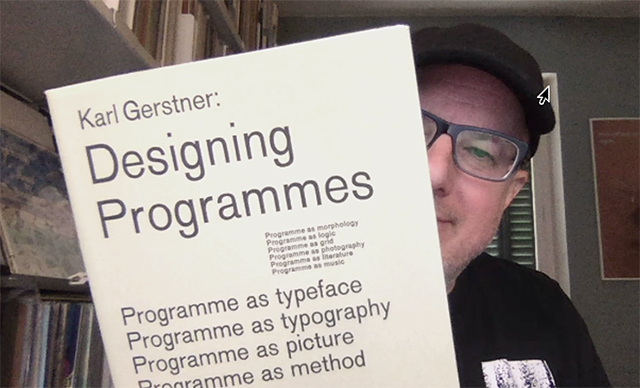
Designing Programmes,
Karl Gerstner
Pioneer of Swiss Graphic Design,
Josef Müller-Brockmann
Pioneer of Swiss Graphic Design,
Josef Müller-Brockmann
Typographie / Typography,
Emil Ruder
Mise en page (s), etc. Fondamentaux, éléments de base, principes de grille, supports, études de cas
Damien Gautier / Claire Gauthier
Lexique des règles typographiques en usage à l'Imprimerie nationale
Massin
Le Détail en typographie: La lettre, l'interlettrage, le mot, l'espacement, la ligne, l'interlignage, la colonne /
Detail in Typography: Letters, Letterspacing, Words, Wordspacing, Lines, Linespacing, Columns
Jost Hochuli
Adrian Frutiger Typefaces. The Complete Works.
Heidrun Osterer, Philipp Stamm
Der Geist der Farbe – Karl Gerstner und Seine Kunst,
DVA
The Graphic Language of Neville Brody 1
Jon Wozencroft, Neville Brody, 1988
The Graphic Language of Neville Brody 2
Jon Wozencroft, Neville Brody, 1994
The Graphic Language of Neville Brody 3,
Brody & team, 2023
Designed By Peter Saville
Love Song
Non-Format
Saul Bass
Laurence King Publishing
The End of Print
David Carson
Typography Now
Booth Clibborn
ESSENTIALS: Grids and Flexible Visual Systems, Information Design
Grid Systems,
Josef Müller-Brockmann
Flexible Visual Systems – The Design Manual for Contemporary Visual Identities,
Martin Lorenz
The FVS Atlas: Flexible Visual Systems from (almost) All Over the World,
Martin Lorenz
Mise En Page Etc
Pyramyd
The Visual Display of Quantitative Information,
Edward Tufte
The Information Capital
London
Information Graphics
Geometry Makes Me Happy,
Index Book, various
Grids – Creative Solutions for Graphic Designers,
RotoVision / contributors
Golden Meaning
GD&
The Layout Book
Laurence King Publishing
+ PDF articles:
The Rule of Thirds and Filmmaking
ESSENTIALS: Think Globally (Act Locally)
The Politics of Design – A (Not So) Global Manual for Visual Communication,
Ruben Pater et al
ESSENTIALS: Food for thoughts
The Extreme Self,
Shumon Basar, Douglas Coupland, Hans Ulrich Obrist
Popular Lies* About Graphic Design,
Craig Ward
A Smile in the mind – Witty thinking in Graphic Design,
Beryl McAlhone & David Stuart
The Art of Looking Sideways,
Alan Fletcher
How to be a Graphic Designer Without Losing Your Soul,
Adrian Shaugnessy
MORE: Typography
The Visual History of Type,
Paul McNeil
About Face – Reviving the Rules of Typography,
David Jury
Exploring Typography, An In-Depth Guide to the Art & techniques of Contemporary Typography,
Tova Rabinowitz
The 3D Type Book,
FL@33 (Yours truly)
Lettering & Type,
Bruce Willen, Nolen Strals
Shape Grammars,
Janina Maroscheck
More: Graphic Designer Monographs and Showcase Books
Rational Simplicity – Rudolph de Harak Graphic Designer,
Richard Poulin
TD 63–73, Total Design and its Pioneering Role in Graphic Design,
Ben Bos
Lance Wyman: The Monograph,
Adrian Shaugnessy, Tony Brook
The Art of Work,
Milton Glaser
V.O. Archive,
Vaughan Oliver
Lubalin – Herb Lubalin, American Graphic Designer 1918–81,
Adrian Shaugnessy
Ladislav Sutnar, Prague, New York, Design in Action,
Museum of Decorative Arts, Prague
Restart – New Systems in Graphic Design,
Christian Küsters & Emily King
(Andreas Uebele) Material – Monograph Volume 3, 2003 – 2016,
Andreas Uebele
Graphics Alive,
Victionary, various
...
PICTURE CREDITS
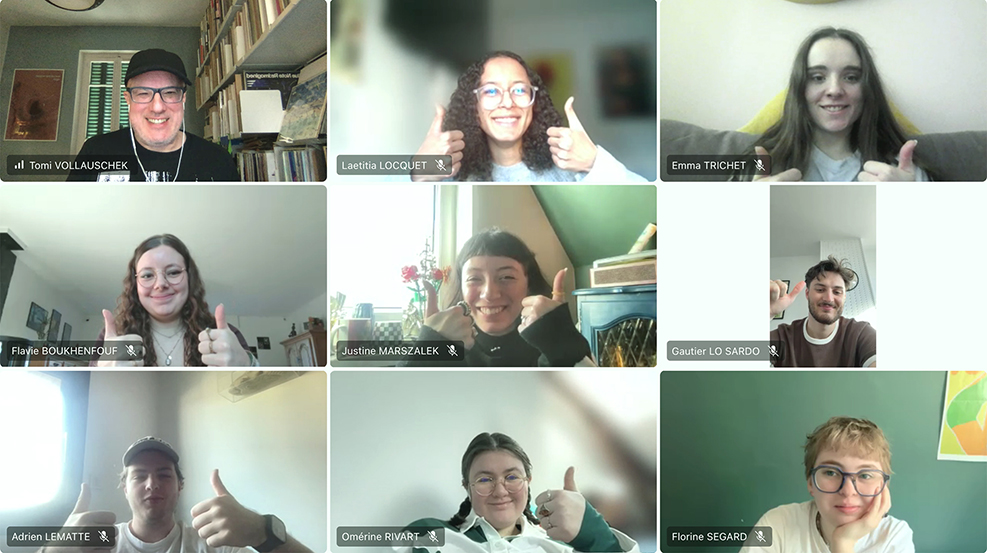
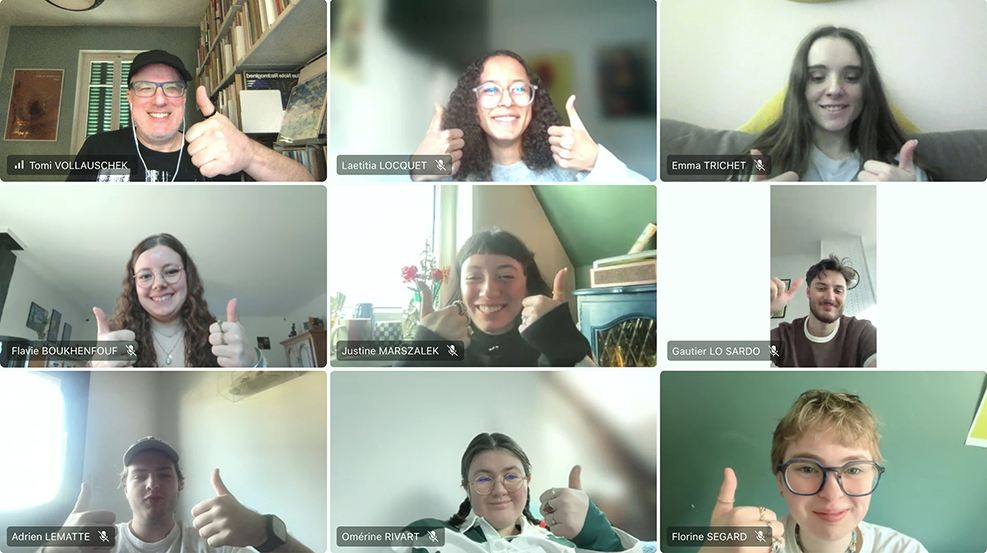
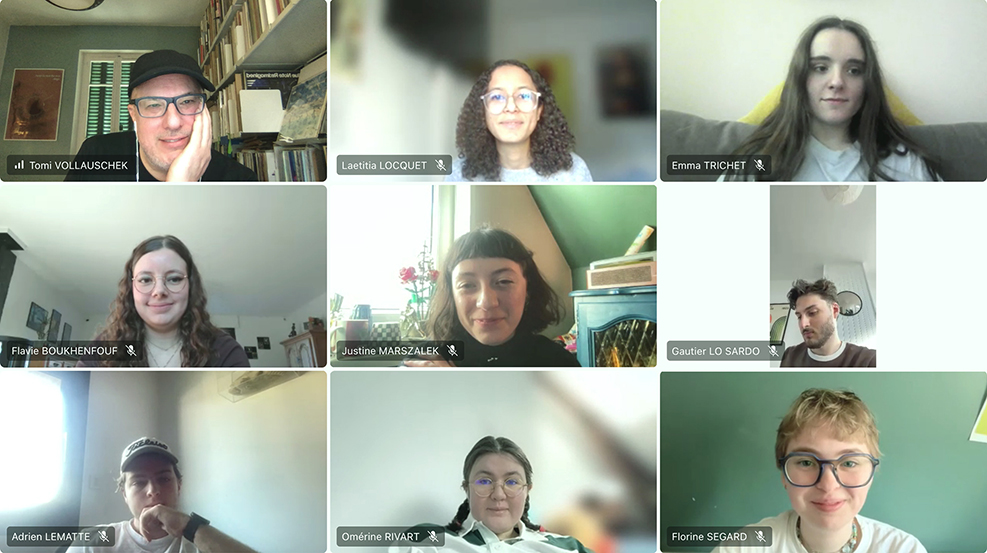
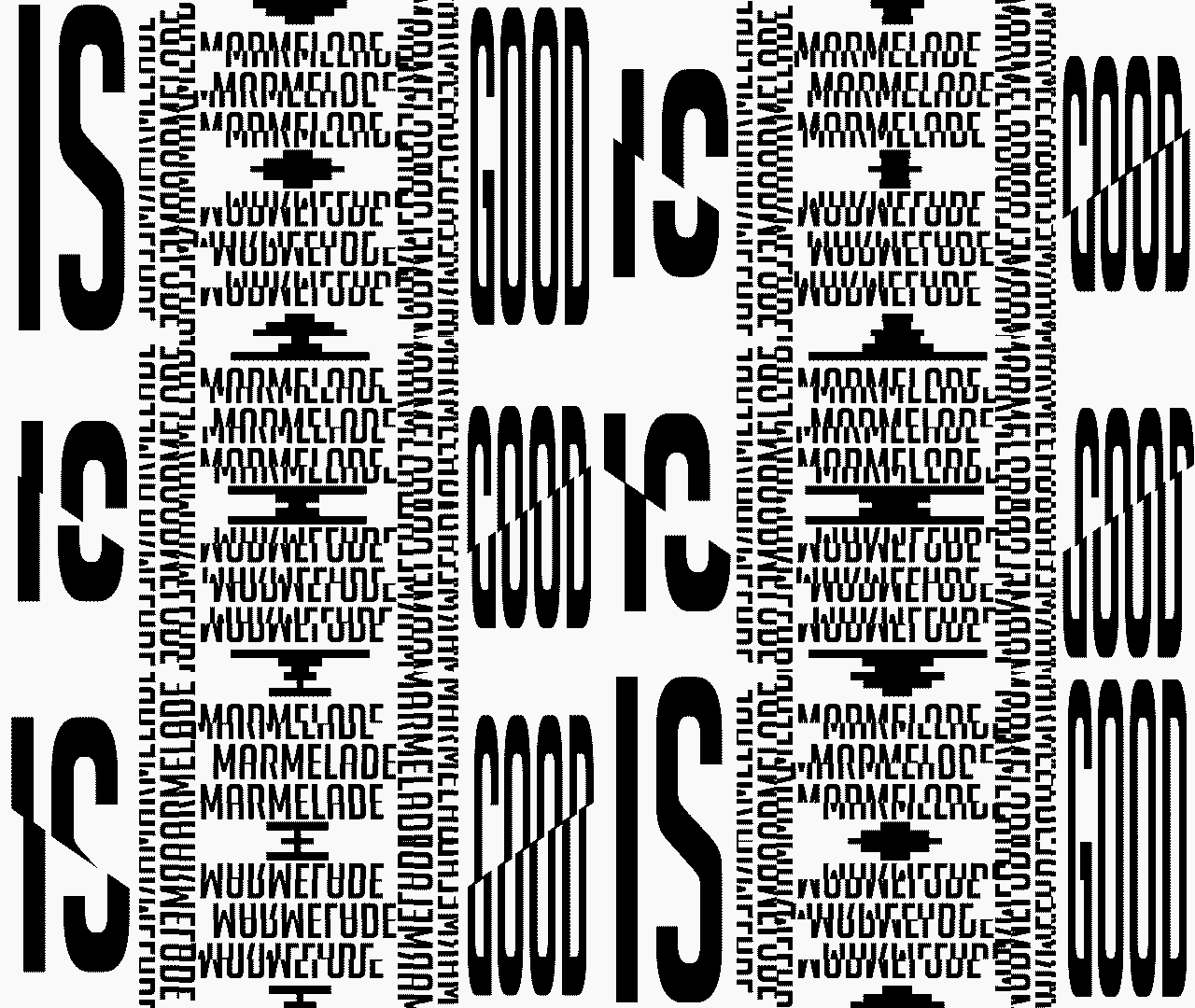
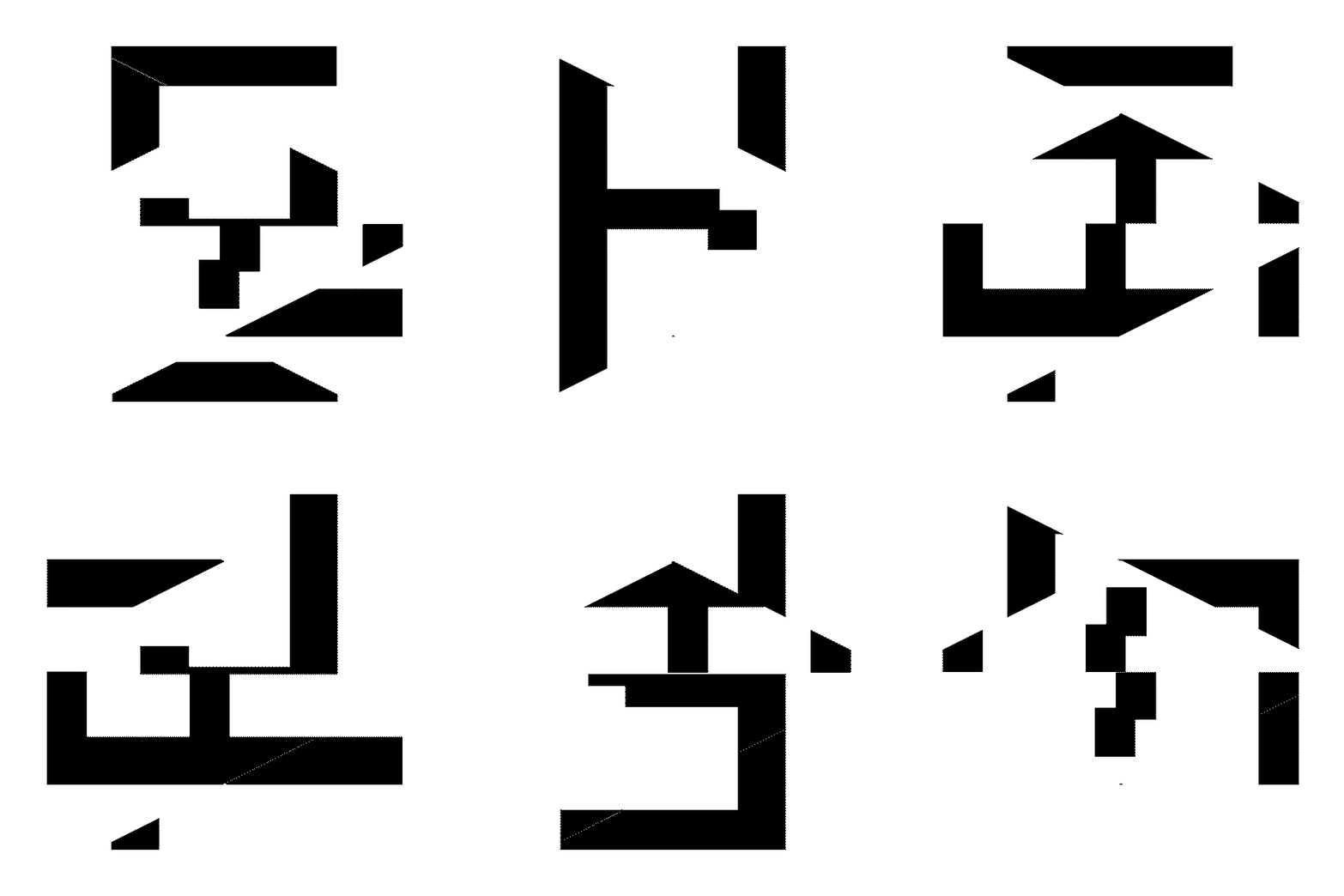
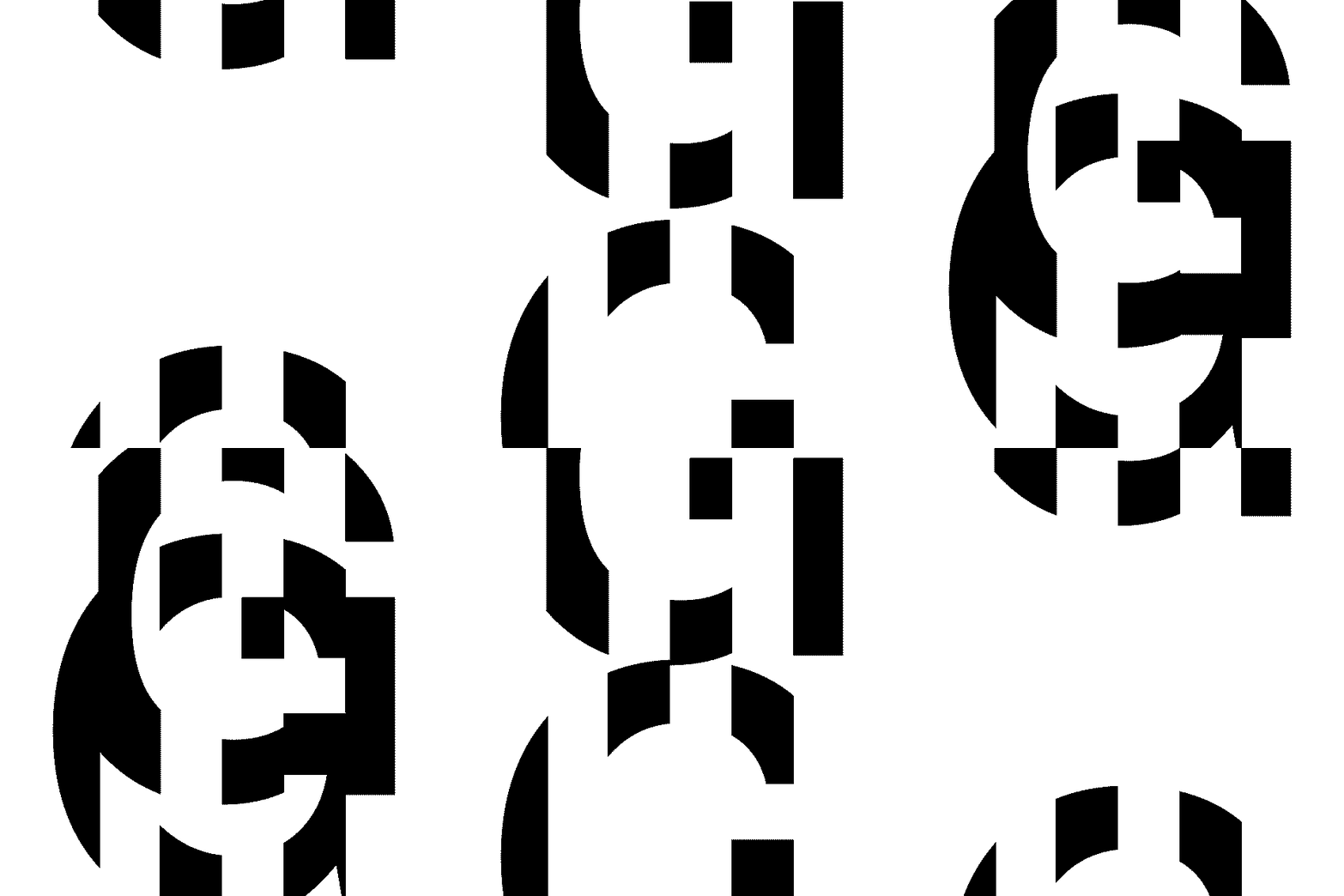
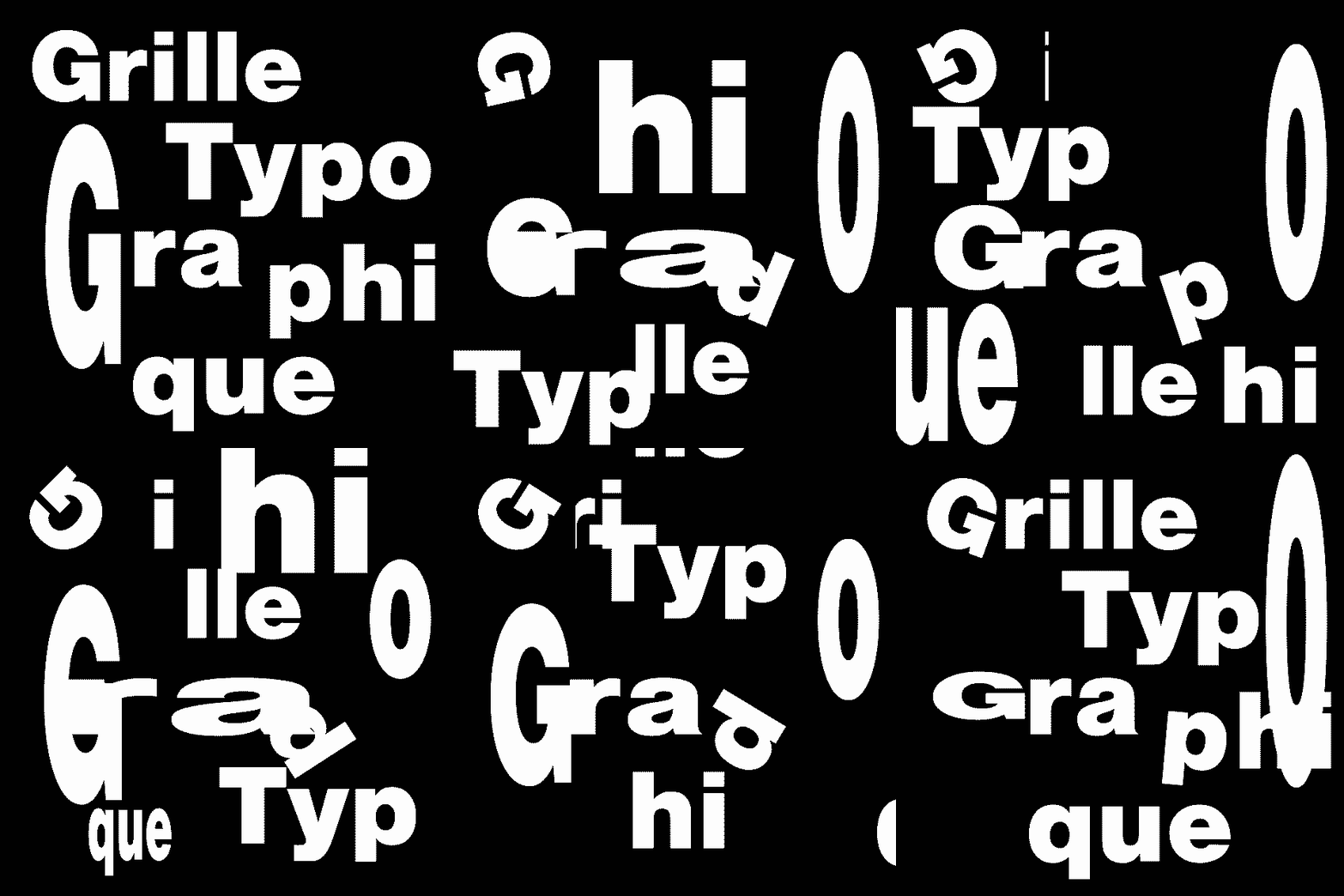
Shown here are a few selected session screenshots and work samples that were kindly provided by ECV students courtesy of ECV Lille.